
When South Africans talk about water, they talk about dams. When a dam is full, there's relief. When it's at 30%, there's panic. But this singular focus on dams has left most people dangerously uninformed about how water infrastructure actually works - and what genuine water security requires.
There are, in fact, four distinct water storage systems that together form a complete water security architecture. Most South Africans know only one of them.
What Is a Dam?
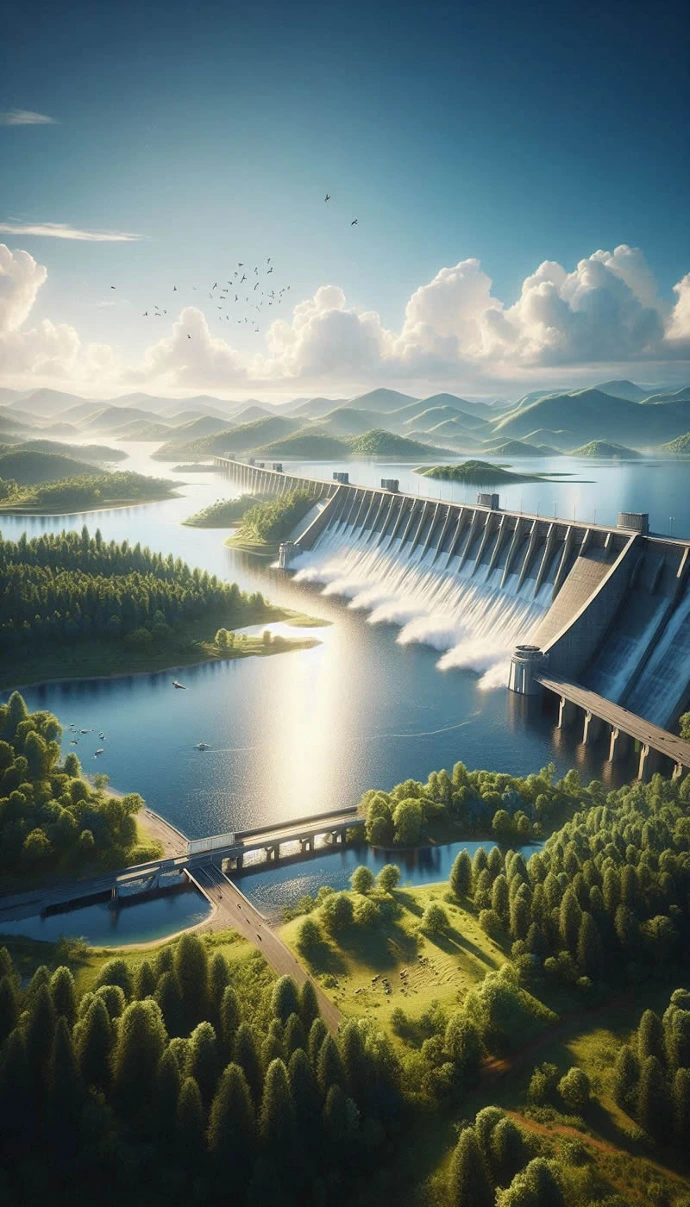
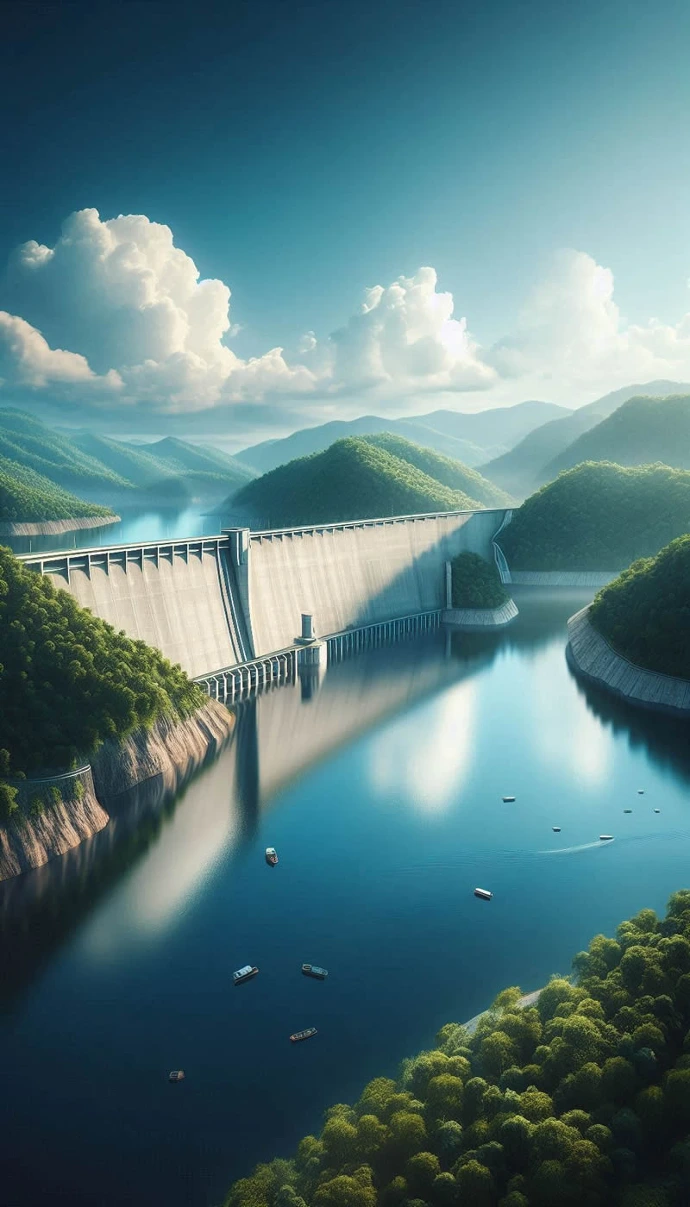
A dam is a barrier constructed across a watercourse — a river or stream — to impound water and create a reservoir. Dams are engineering structures: walls of concrete, earth, or rock-fill that hold back flow. In South Africa, examples include the Vaal Dam, Theewaterskloof, and Gariep. Dams are owned and managed by the state. They serve bulk water supply functions across entire metropolitan regions.
The critical characteristic of a dam: it is entirely dependent on surface runoff. No rain upstream, no inflow. A dam is a collector of weather, not a generator of water.
What Is a Reservoir?
A reservoir is the body of water created by a dam, or any large engineered holding facility used to store treated or untreated water for municipal distribution. In urban contexts, reservoirs are typically the concrete or lined structures that hold water after it has been treated at a waterworks, ready for distribution through the reticulation network.
Reservoirs are the critical link between bulk storage (dams) and household delivery (taps). When municipalities speak of water pressure issues or supply interruptions, they are often referring to problems at reservoir level — not the dam.
What Is a Tank?
A dam is a barrier constructed across a watercourse — a river or stream — to impound water and create a reservoir. Dams are engineering structures: walls of concrete, earth, or rock-fill that hold back flow. In South Africa, examples include the Vaal Dam, Theewaterskloof, and Gariep. Dams are owned and managed by the state. They serve bulk water supply functions across entire metropolitan regions.
The critical characteristic of a dam: it is entirely dependent on surface runoff. No rain upstream, no inflow. A dam is a collector of weather, not a generator of water.
What Is a Deep Aquifer - and Why Isn't It on
This List?
This is the question most water education skips entirely, and it is where the conventional model falls shortest.
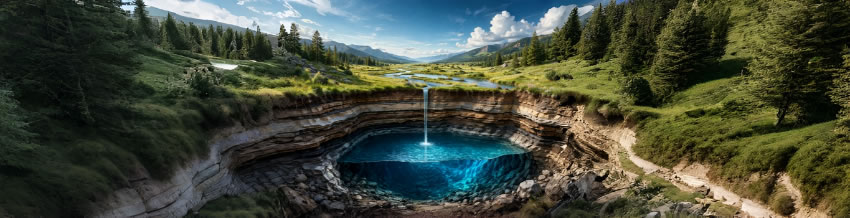
Beneath the surface water systems — beneath shallow boreholes, beneath the reach of most municipal abstraction — lie deep aquifer networks that most hydrogeologists are only now beginning to map at a continental scale. These are not simply underground lakes. They are vast, interconnected systems of permeable geological formations and fracture-based conduits that carry water across distances of hundreds to thousands of kilometres.
The conventional understanding holds that groundwater is recharged by local rainfall: rain falls, infiltrates, tops up the water table. But recent research from Princeton University and the University of Arizona, published in January 2025, has fundamentally challenged this assumption. Their continental-scale groundwater simulation found that deep aquifer systems contribute more than half of the baseflow in the majority of river basins studied — and that these systems operate independently of local surface drainage areas.
This means that even in regions with low rainfall — including large parts of South Africa — there may be far more water available underground than existing planning frameworks acknowledge. The National Groundwater Association of the United States estimates there are 22.6 million cubic kilometres of groundwater in the upper two kilometres of Earth's crust: enough to supply the world for over 6,000 years at current consumption rates.
South Africa sits on ancient, tectonically complex geology. The assumption that our water inventory begins and ends with surface rainfall is almost certainly an underestimation of significant proportions.
How the Four Systems Work Together
A mature water security architecture doesn't choose between dams, reservoirs, tanks, and deep groundwater — it integrates all four, at the appropriate scale for each function:
Dams and reservoirs serve regional and metropolitan populations and require centralised management, significant capital, and long lead times. They are essential but not sufficient.
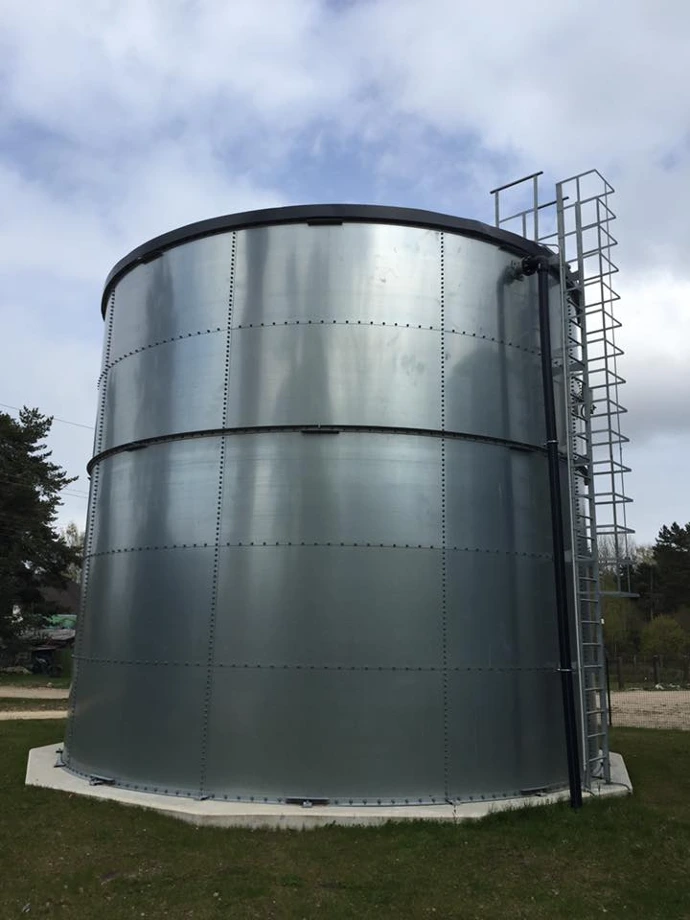
Tanks serve farms, homes, estates, and businesses at the point of need. They are deployable in weeks, privately funded, and operate independent of municipal systems.
Deep aquifer systems, when properly located and managed, offer a supplemental water source that is less vulnerable to short-term climate variability than surface rainfall — and that may be available even in regions traditionally considered water-scarce.
Understanding these four layers is not academic. It is the foundation of genuine water literacy — and the starting point for any serious water security strategy, whether at household, farm, or national scale.
Engineering Water Security
Across South Africa
Aquadam Steel Tanks has been engineering and manufacturing water storage solutions for South African farms, municipalities, industries, and homes for over 30 years. Our tank range — from the Home Tank to the 5-million-litre Dura Tank — represents the decentralised storage layer of a complete water security architecture.